What We Do

Services by Sector

Explore our dry ice blasting services across nine sectors. Select any service to expand the full detail.

Industrial & Manufacturing

Production Machinery, Precision Engineering & Tooling and Plastics & Injection Moulding.
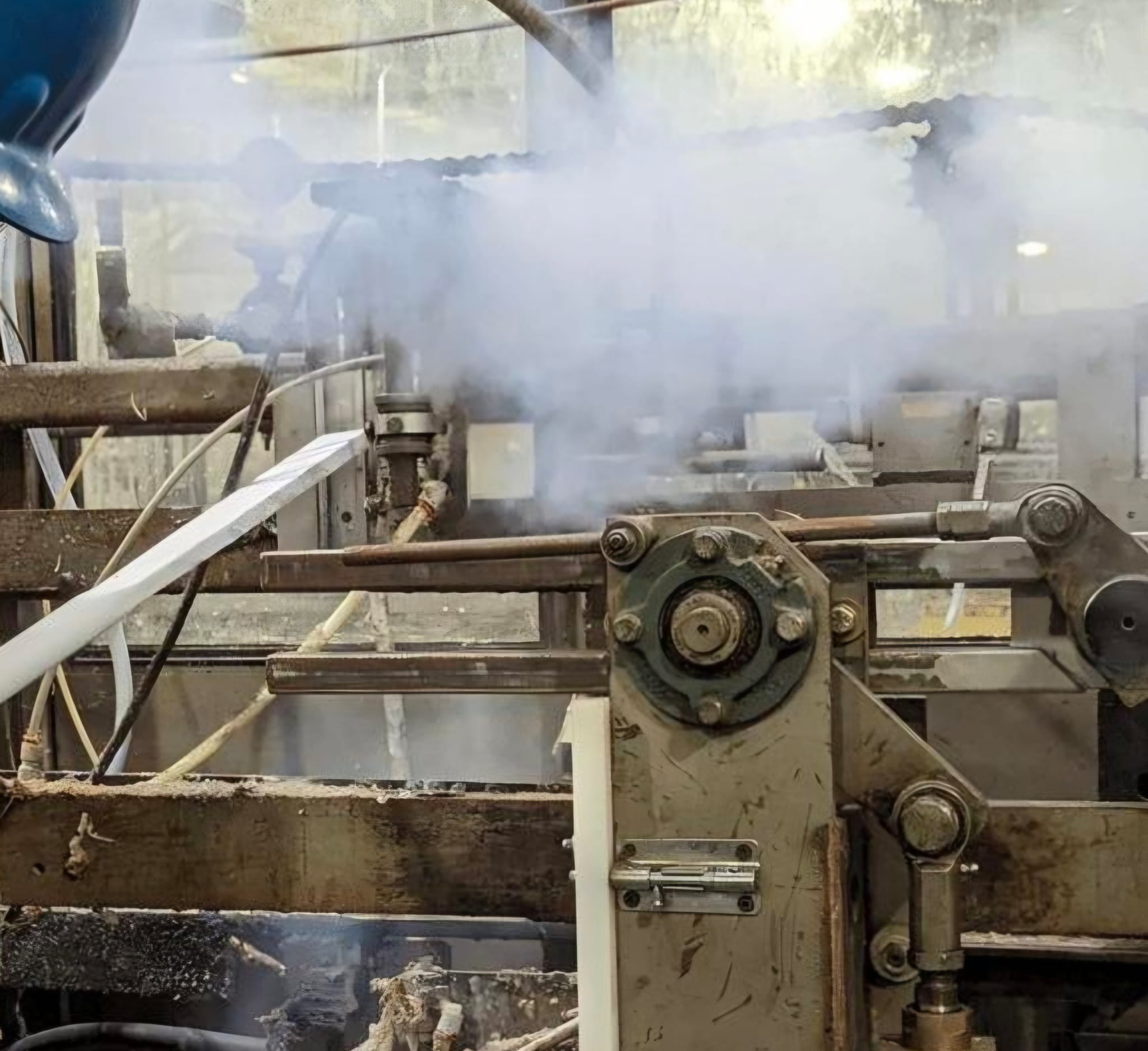
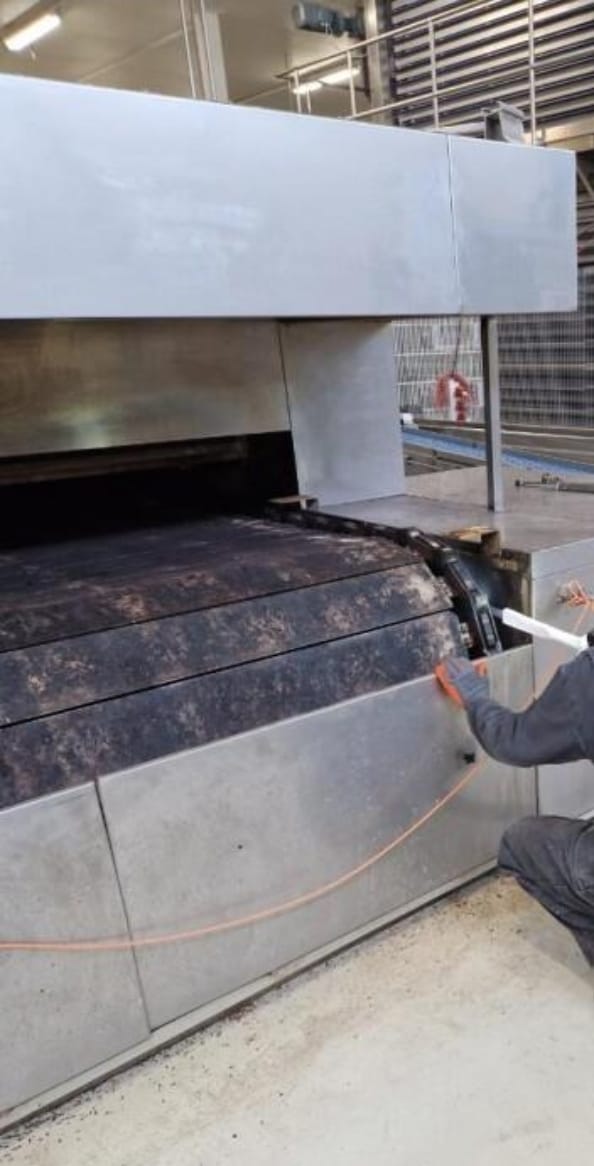
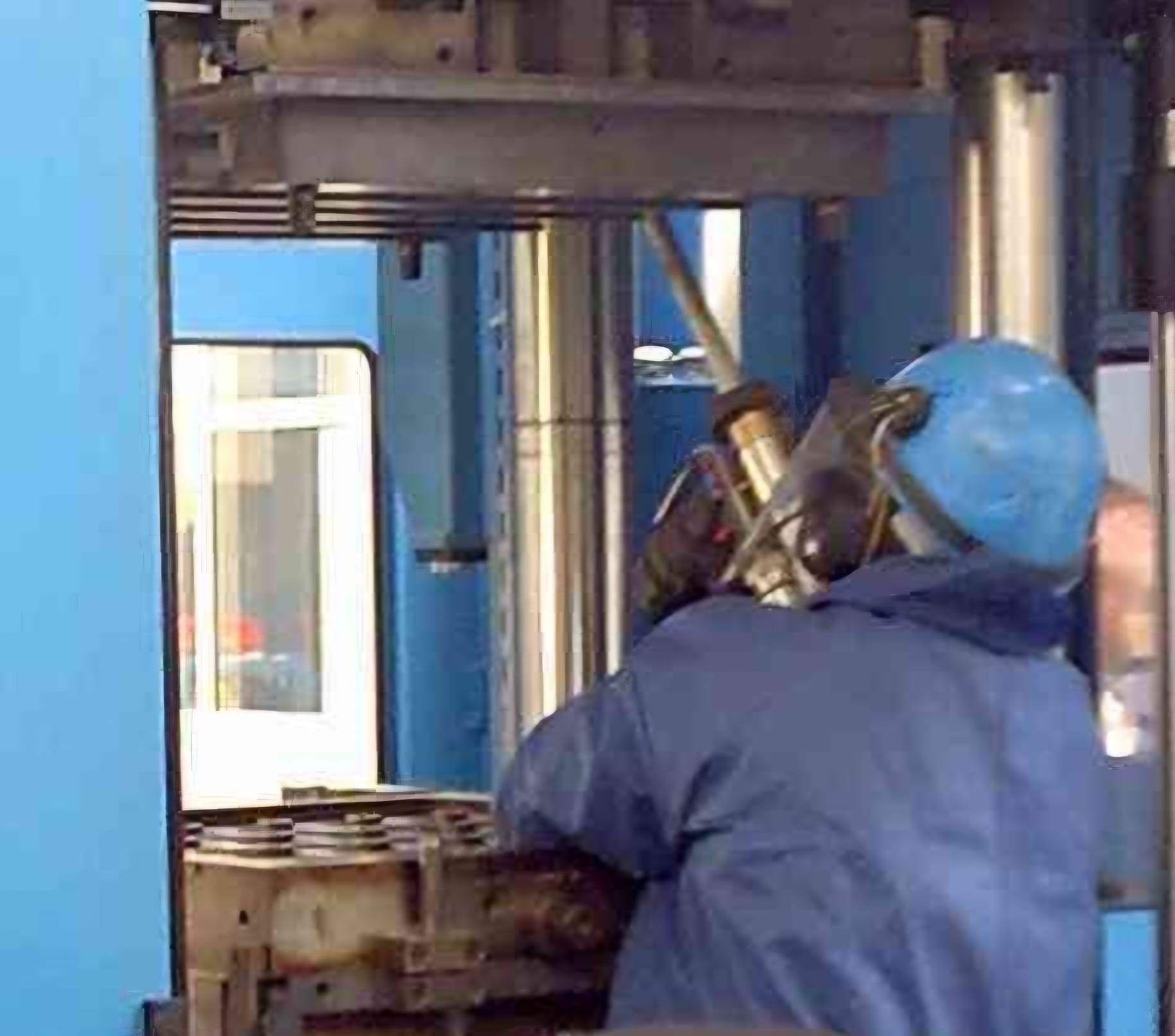
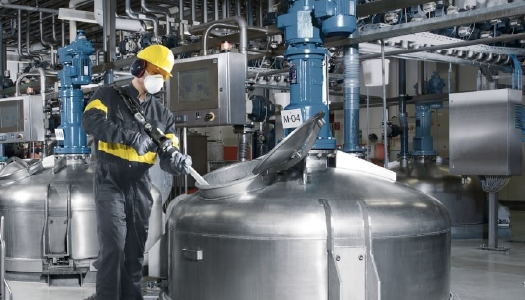
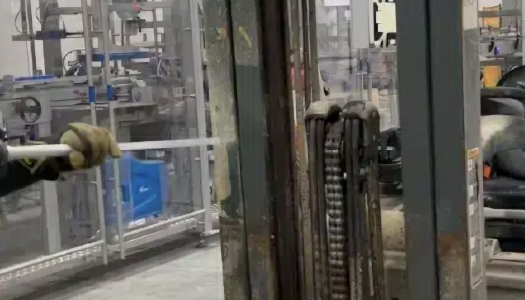
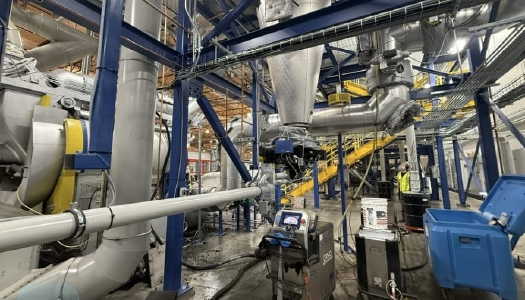
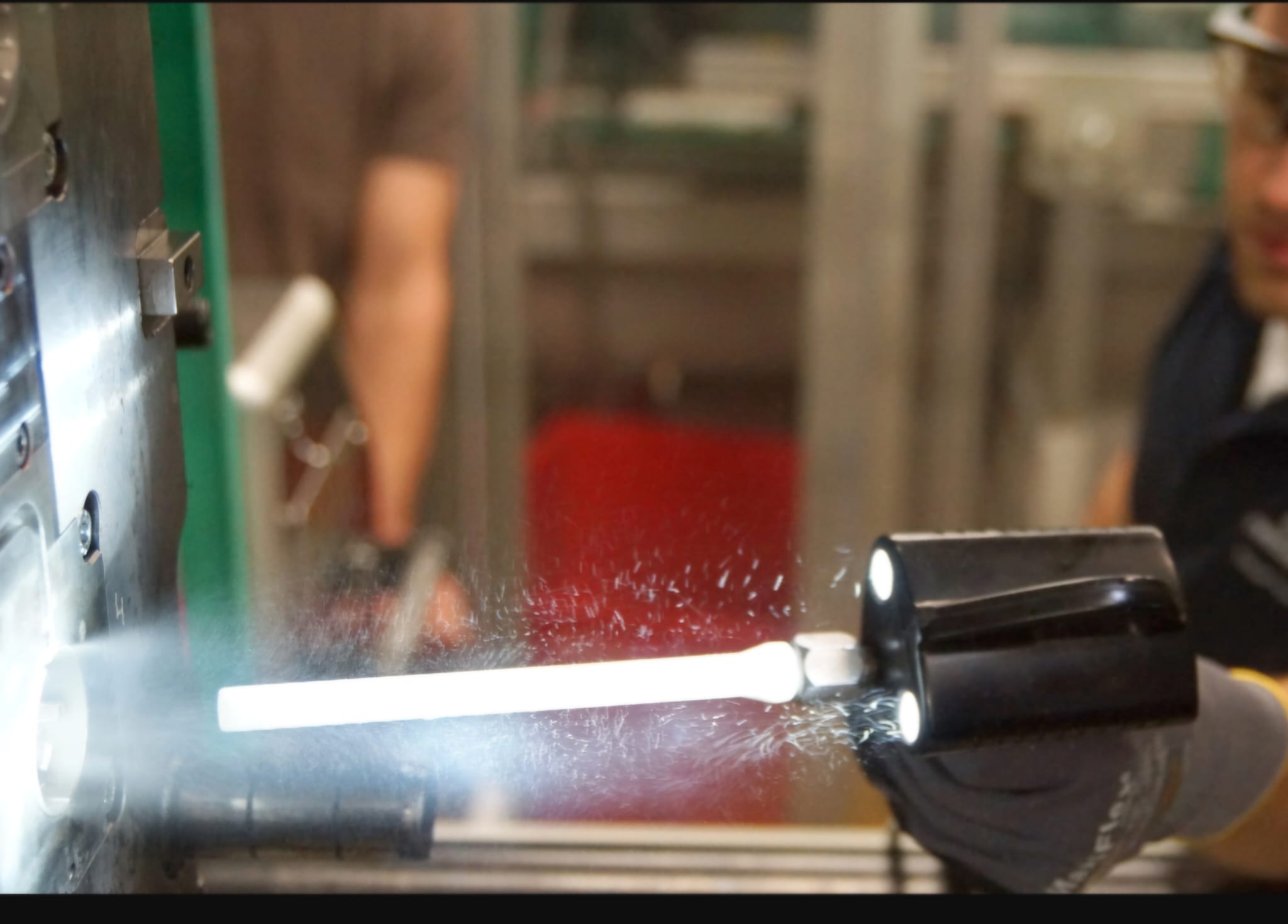
Production machinery can often be treated in place, removing grease, oil, carbon and process build-up without introducing water or secondary blast media. This can reduce strip-down, improve access for inspection and help maintenance teams return equipment to service sooner.

Suitability: Each project is assessed for suitability before work begins.

Typical Applications
Production line equipment
Gearboxes & mechanical drives
Hydraulic systems
Compressors & pumps
Conveyor systems
Machinery frames & components

Machine tools, jigs, fixtures and precision tooling can collect coolant, grease, carbon and other process residue in areas that are difficult to reach by hand. Dry ice blasting gets into complex shapes and detailed areas without water or abrasive blast media, supporting maintenance, inspection and preparation while helping protect critical surfaces.

Suitability: Each project is assessed for suitability before work begins.

Typical Applications

Press tools & dies
CNC fixtures & jigs
Precision rollers
Machine slides & guides
Engineering tooling
Detailed machine components

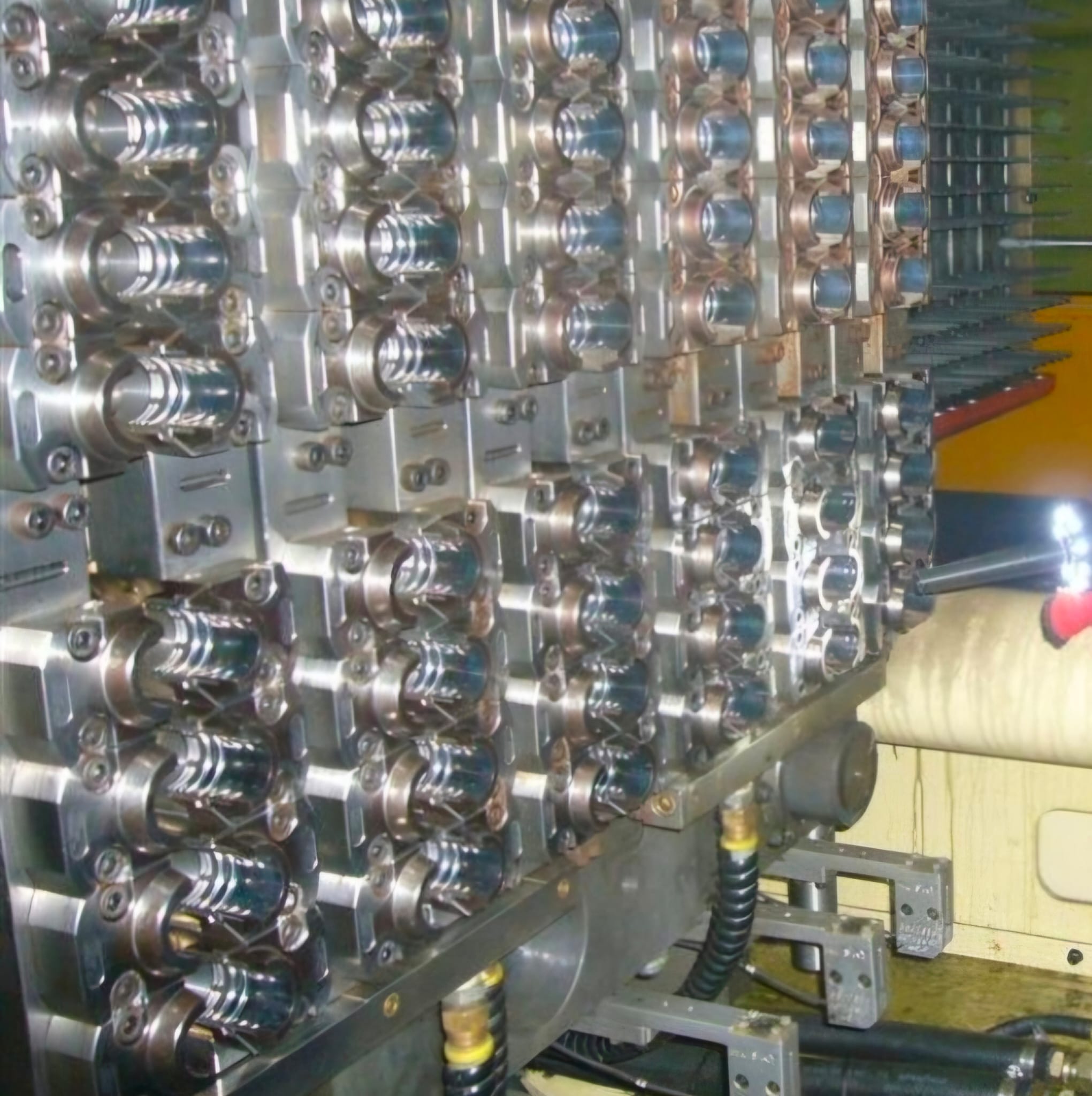
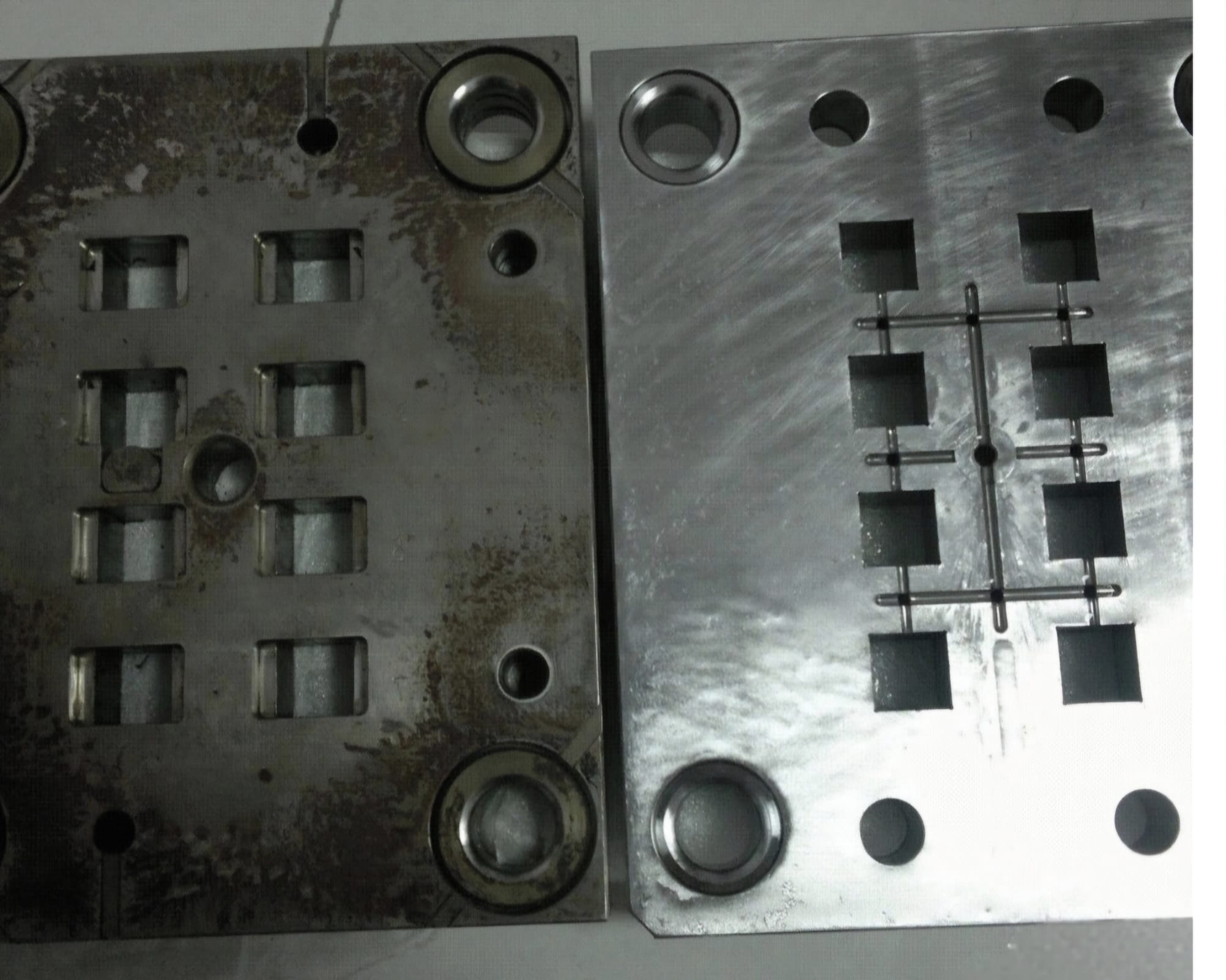
Injection moulds, vents and tooling can be treated to remove release agents, polymer and resin build-up, off-gassing residue and other process contamination. Dry ice blasting reaches detailed mould areas without introducing water or secondary blast media.

Suitability: Each project is assessed for suitability before work begins.

Typical Applications

Injection moulds
Mould cavities & vents
Extruder screws & dies
Moulding-machine components
Plastics-production tooling
Release-agent & resin build-up

Printing & Packaging

Printing Presses, Rollers & Cylinders and Packaging & Converting Equipment.

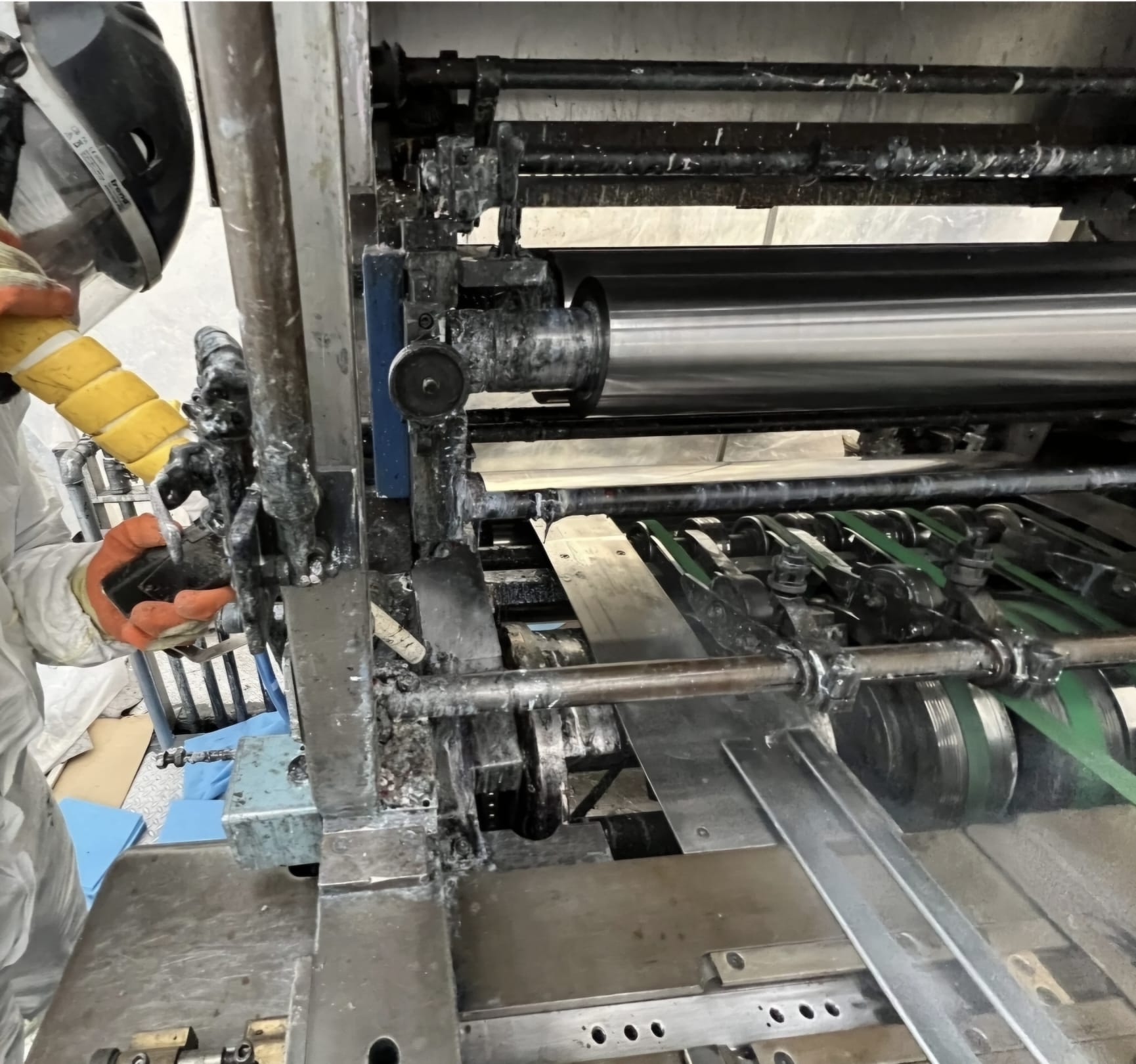
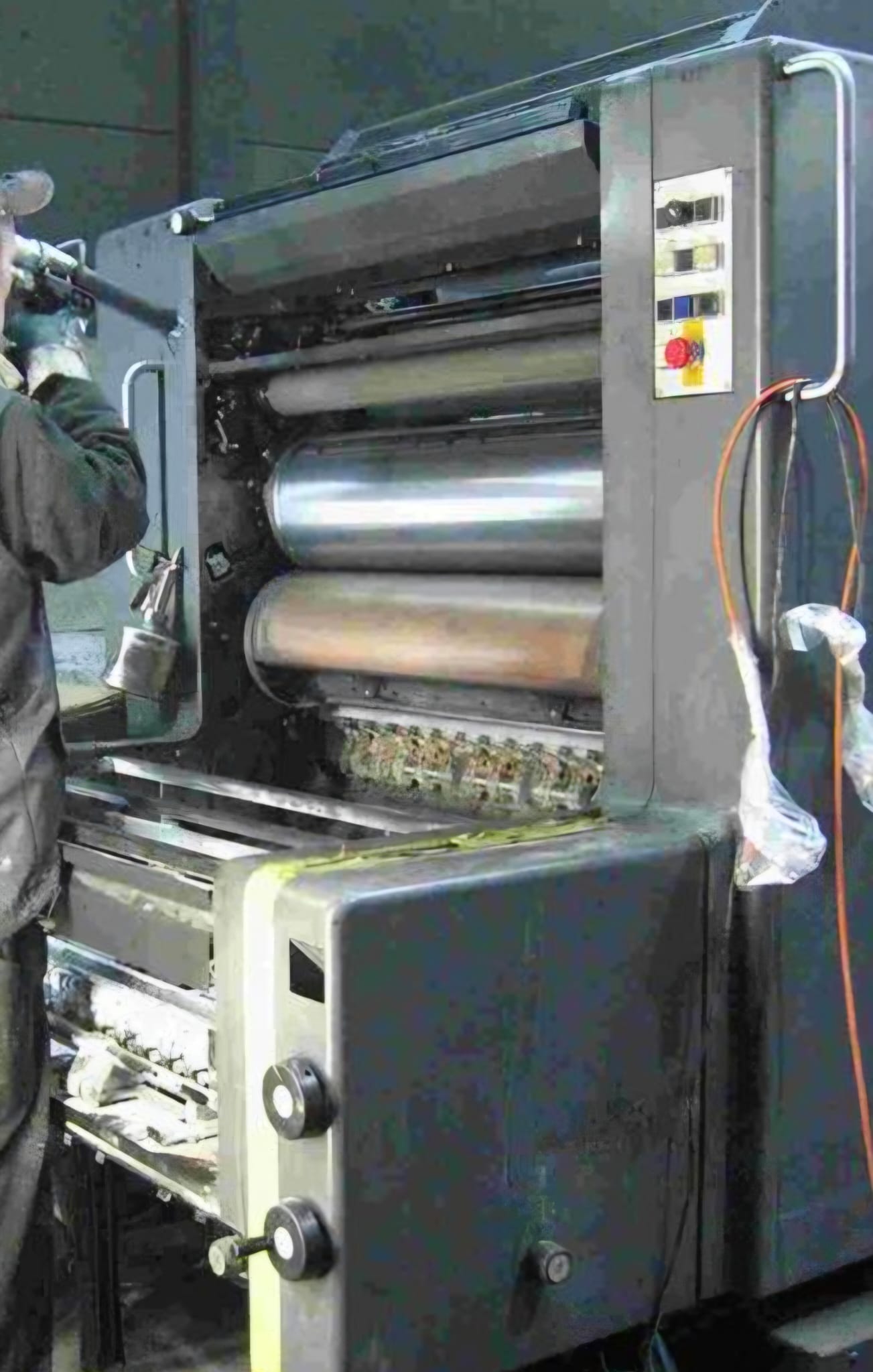
Printing presses can build up layers of ink, coatings, grease and production residue around frames, trays and internal components. Dry ice blasting can remove this build-up with more of the press left in place where suitable, reducing manual cleaning and unnecessary strip-down during planned maintenance.

Suitability: Each project is assessed for suitability before work begins.

Typical Applications

Offset & flexographic presses
Ink trays & fountains
Press frames & internal components
Guide rails & mechanical assemblies
Drying units
Accumulated ink & coating residue

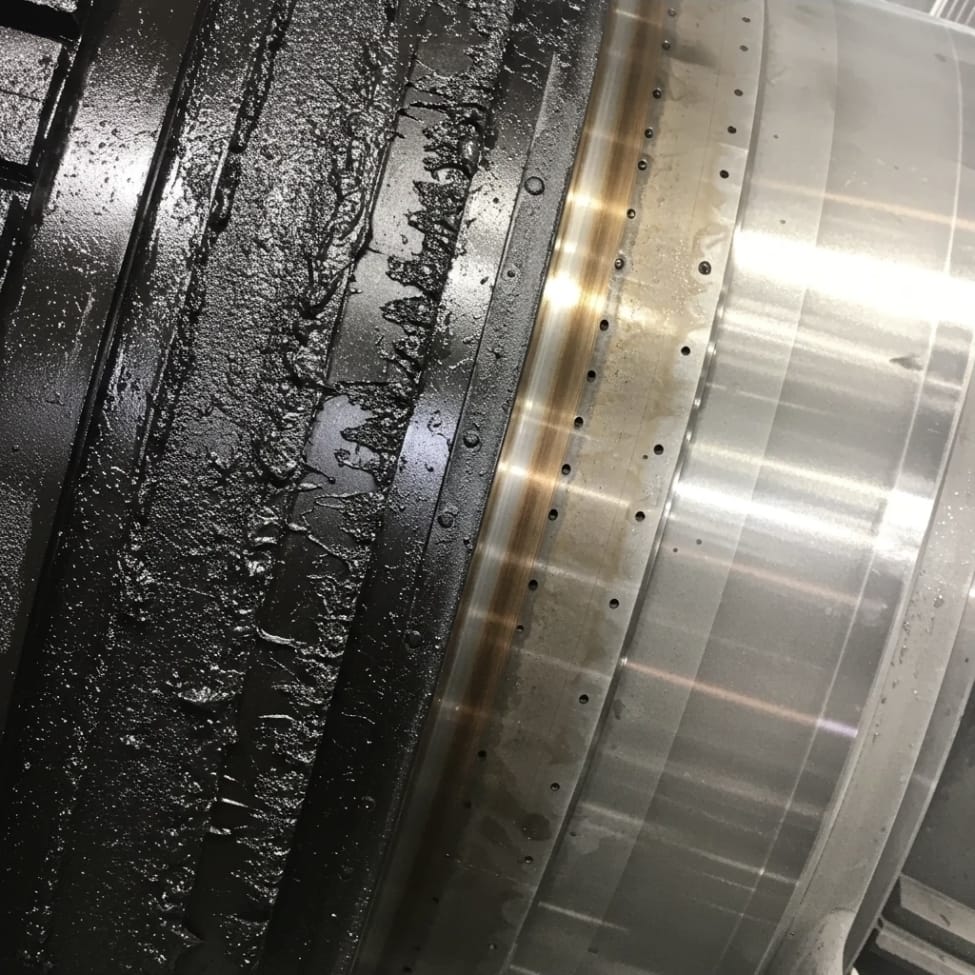
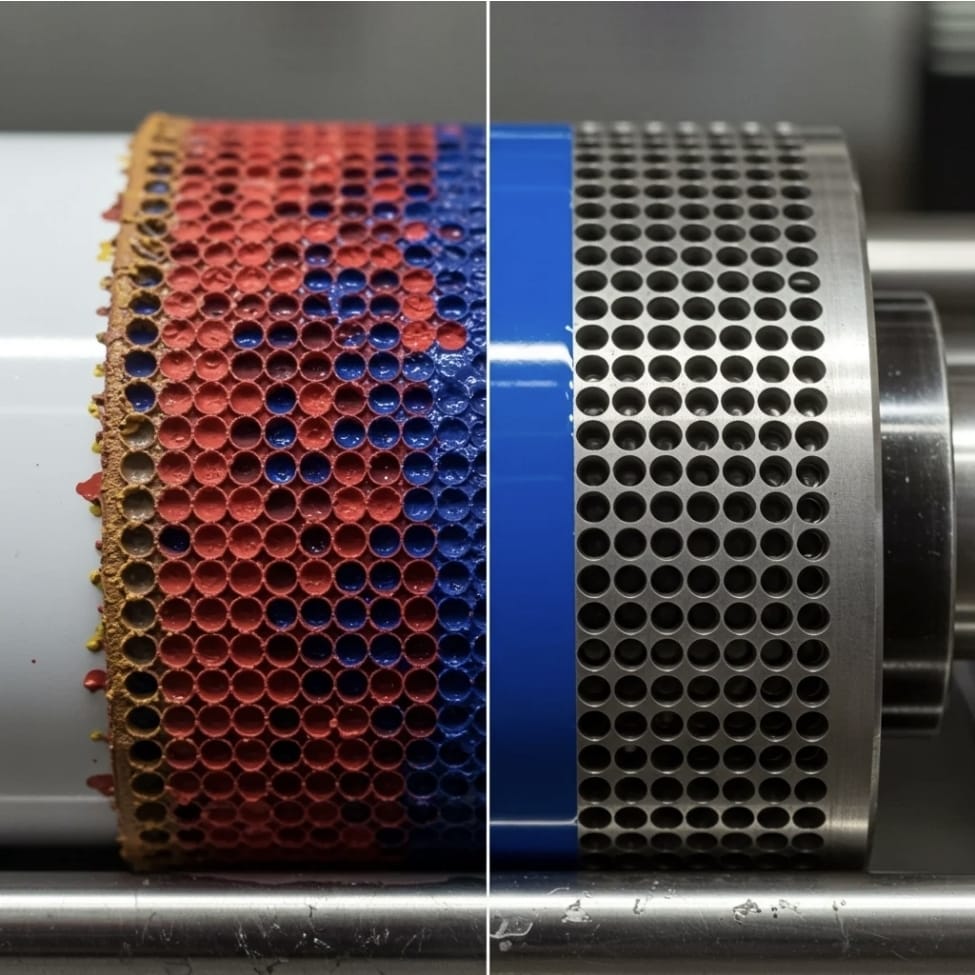
Rollers and cylinders can be treated to remove ink, adhesive, coatings and process residue from detailed surfaces. Because dry ice blasting adds no water or secondary blast media, it supports inspection, maintenance and preparation without creating additional blasting-media clean-up.

Suitability: Each project is assessed for suitability before work begins.

Typical Applications

Anilox rollers
Printing cylinders
Impression cylinders
Gravure cylinders
Coating & application rollers
Ink, adhesive & coating build-up

Packaging and converting equipment often collects adhesive, ink, paper dust and production residue around rollers and hard-to-reach machine areas. Dry ice blasting can remove this build-up without water or secondary blast media, reducing labour-intensive manual cleaning during planned maintenance.

Suitability: Each project is assessed for suitability before work begins.

Typical Applications

Slitting & rewinding equipment
Web-handling systems
Folder-gluers
Die-cutting equipment
Labelling & packaging machinery
Adhesive & production residue

Electrical & Power

Switchgear & Control Panels, Motors & Transformers and Power Generation & Substations.

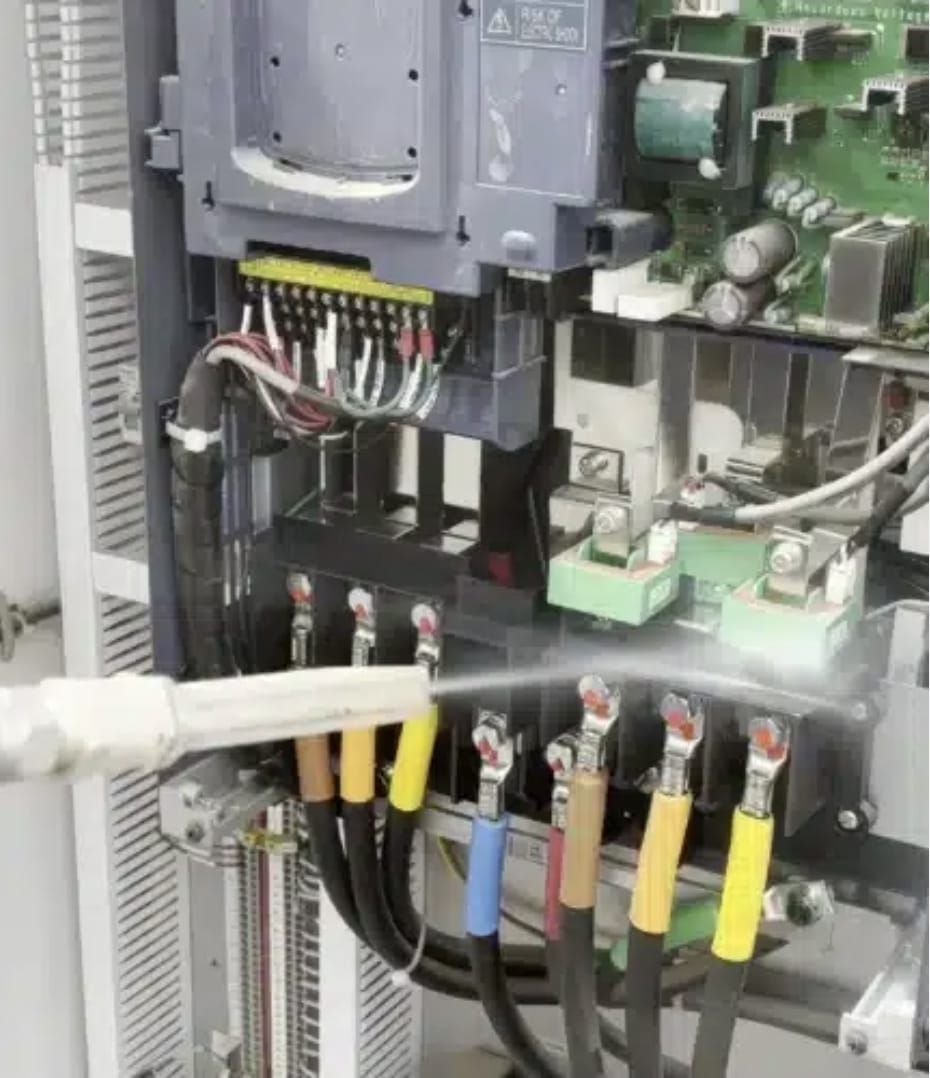
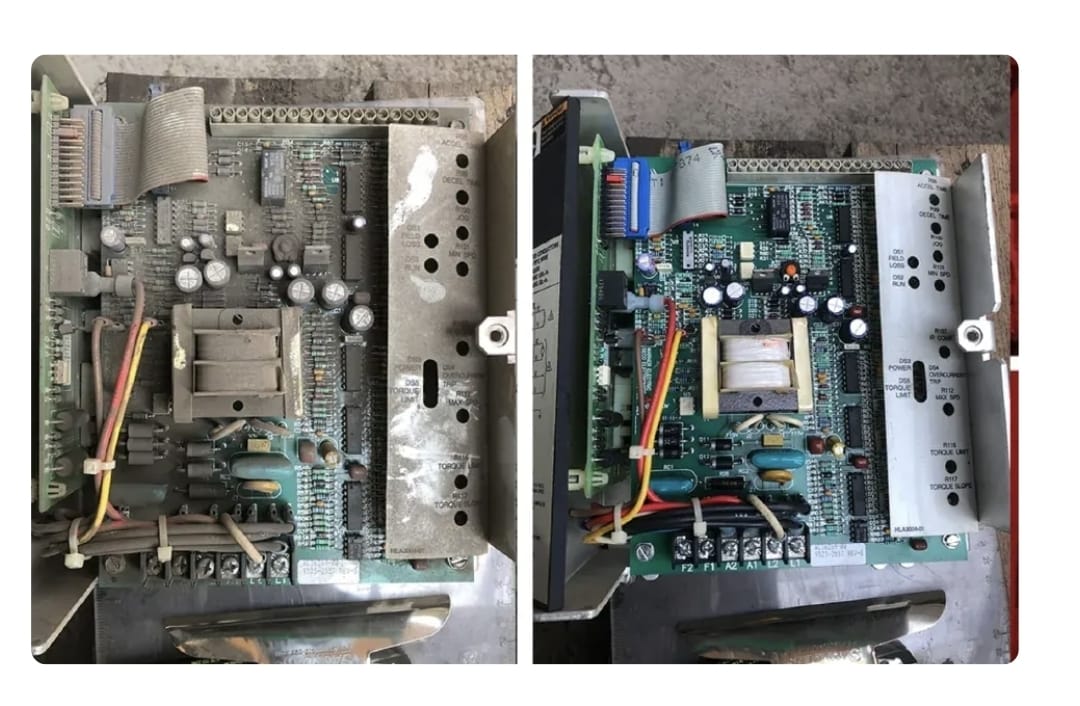
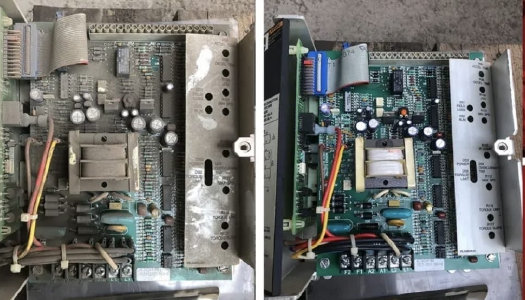
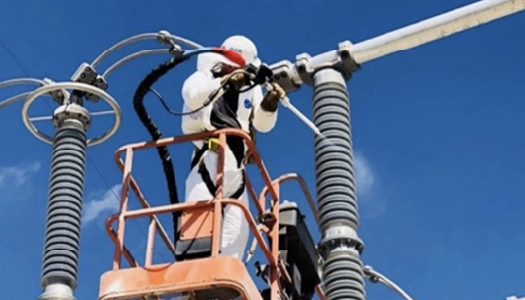
Switchgear, control panels and electrical assemblies can collect dust, carbon, grease and process contamination in detailed areas that are difficult to clean by hand. Dry ice blasting is a dry, non-conductive process that introduces no water or secondary blast media.

Suitability: Electrical equipment is assessed individually, with isolation and site-specific electrical safety requirements confirmed before work begins.

Typical Applications

Switchgear & breaker panels
Motor control centres (MCCs)
Control cabinets & panels
Busbars & electrical assemblies
Relays & terminal components
PLC, VFD & control enclosures

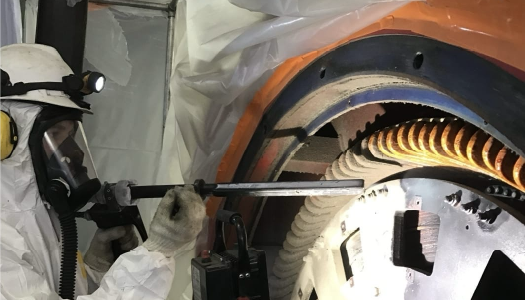
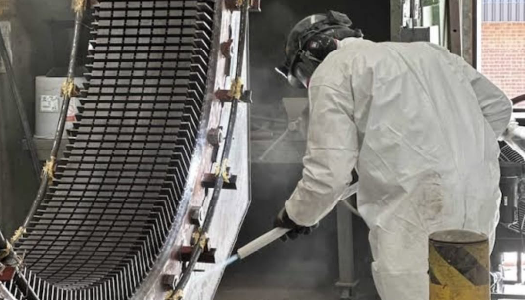
Motors, transformers and generators can be treated to remove carbon, oil, dust and built-up contamination from windings, housings, cooling fins and other detailed areas. The dry process introduces no water or abrasive blast media, helping prepare equipment for inspection and planned maintenance.

Suitability: Electrical equipment is assessed individually, with isolation and site-specific electrical safety requirements confirmed before work begins.

Typical Applications

Electric motors
Stators & rotors
Motor & generator windings
Transformers
Generator components
Cooling fins & housings

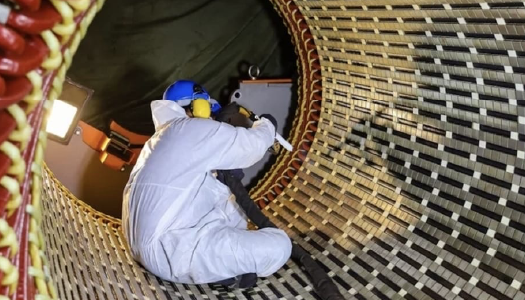
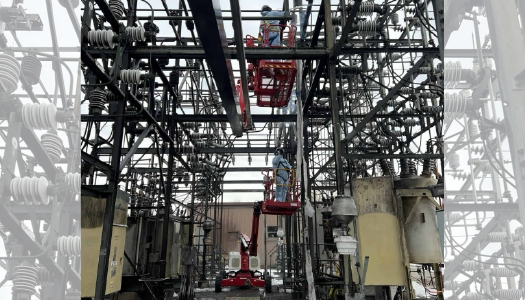
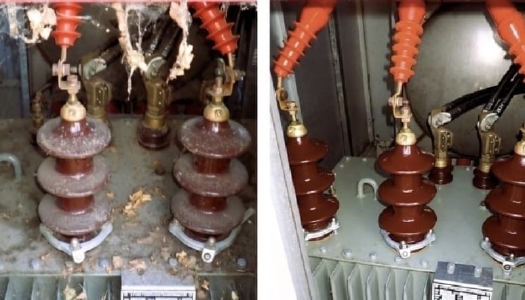
Power-generation and distribution equipment can collect carbon, oil, dust and environmental build-up over time. Dry ice blasting removes suitable contamination without adding water or secondary blast media, making it useful during planned outages, inspection and maintenance work.

Suitability: Electrical equipment is assessed individually, with isolation and site-specific electrical safety requirements confirmed before work begins.

Typical Applications

Generator & turbine components
Generator stators & windings
Transformers & bushings
Switchgear & circuit breakers
Insulators & substation equipment
Control & protection systems

Food & Beverage

Production Equipment and Conveyors & Production Lines.

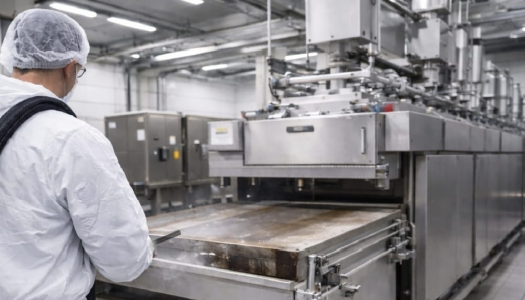
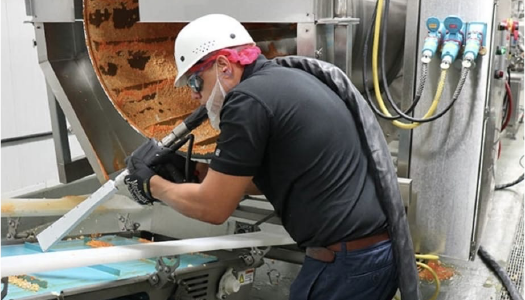
Food and beverage equipment can be treated to remove grease, oils, carbonised deposits, food residue and production build-up from detailed machinery and difficult-access areas. The process is dry and non-abrasive and introduces no water or secondary blast media. Where suitable, equipment can remain in place, reducing strip-down during shutdowns, maintenance and changeovers.

Suitability: Each project is assessed for suitability before work begins, including site hygiene, production and contamination-control requirements.

Typical Applications

Mixers & blenders
Ovens, fryers & cookers
Slicers & processing machinery
Moulds, trays & production tooling
Machine frames, guards & housings
Carbonised, grease & food-product build-up

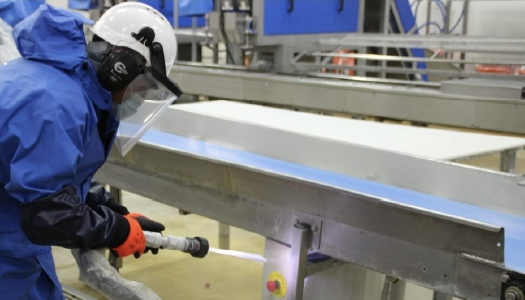
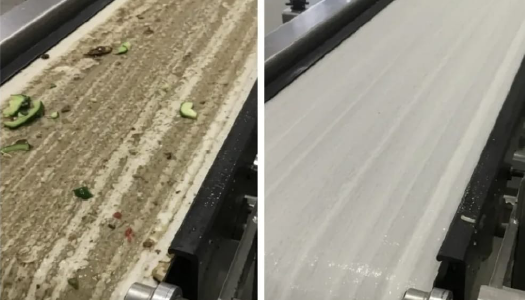
Conveyors, chains, belts and line equipment can collect food residue, grease, oils and production build-up in hard-to-reach areas. Dry ice blasting can remove this contamination without introducing water or secondary blast media and can reduce unnecessary strip-down during planned maintenance, shutdowns and changeovers.

Suitability: Each project is assessed for suitability before work begins, including site hygiene, production and contamination-control requirements.

Typical Applications

Conveyor belts & systems
Drive chains & sprockets
Guides, rollers & transfer points
Continuous production lines
Associated mechanical components
Food-product & production residue

Plant & Transport

Agricultural Machinery, Construction & Heavy Plant and Fleet & Commercial Vehicles.

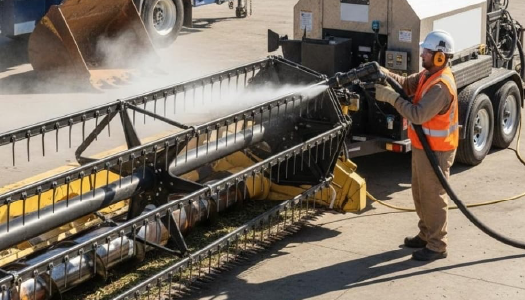
Agricultural machinery often carries crop residue, grease and oil around engines, drivetrains, hydraulics and other mechanical areas. Dry ice blasting can remove suitable build-up without water or secondary blast media, helping with inspection, maintenance and fault finding. Removing dry crop debris from appropriate areas around hot or moving components can also support routine fire-risk management.

Suitability: Each project is assessed for suitability before work begins.

Typical Applications

Tractors & agricultural machinery
Combines & harvesting equipment
Engine bays, drivetrains & exhaust areas
Hydraulic systems & components
Machinery frames & mechanical assemblies
Crop residue, grease & oil build-up

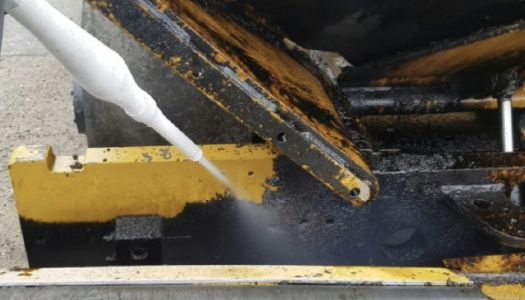
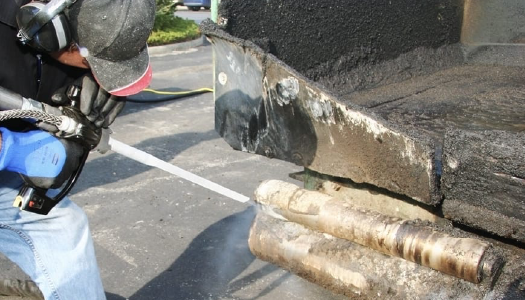
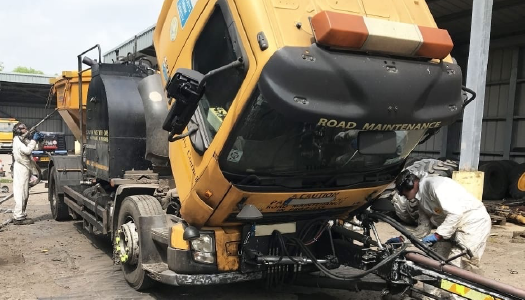
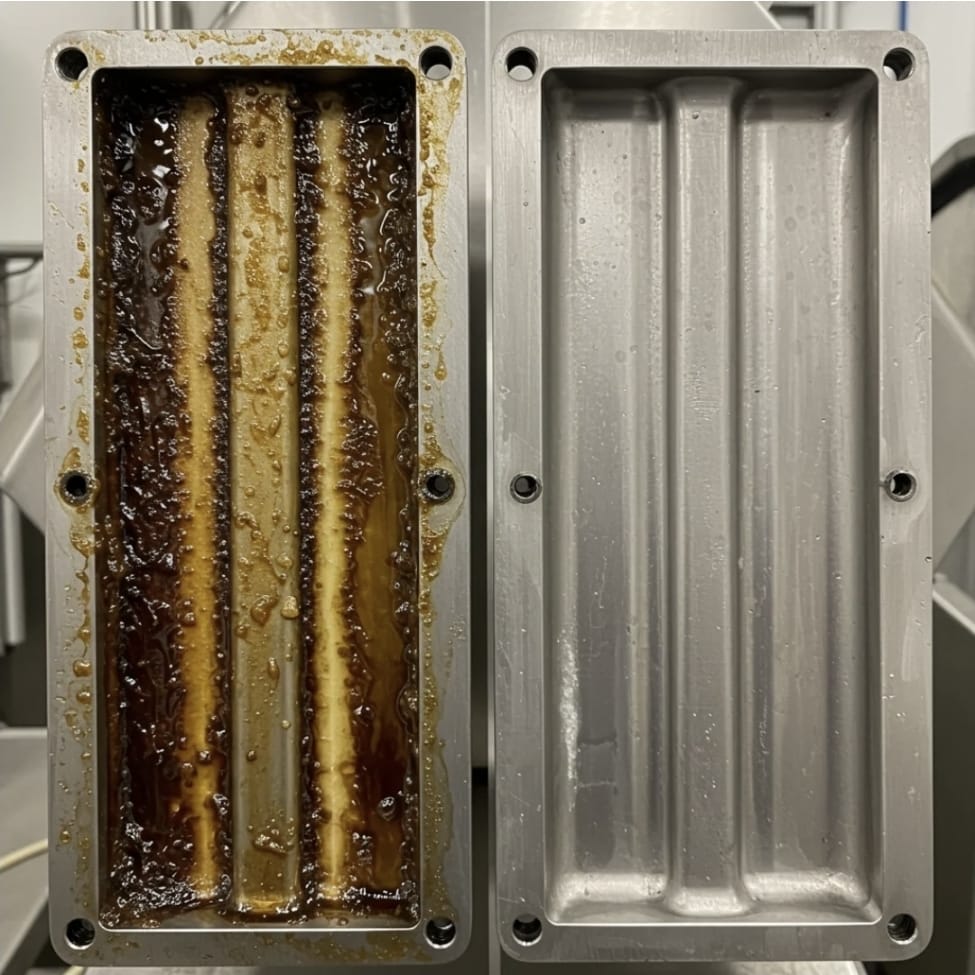
Construction machinery and heavy plant can accumulate grease, oil, bitumen and heavy build-up around chassis, engines, hydraulics and mechanical assemblies. Dry ice blasting exposes these areas for inspection, maintenance and repair without introducing water or secondary blast media. ICEWORKS can work at suitable yards, workshops and construction sites using our mobile setup and onboard power.

Suitability: Each project is assessed for suitability before work begins.

Typical Applications
Excavators, loaders & telehandlers
Road construction & paving equipment
Engines & drivetrains
Hydraulic systems & components
Chassis & machinery frames
Bitumen, grease & heavy build-up

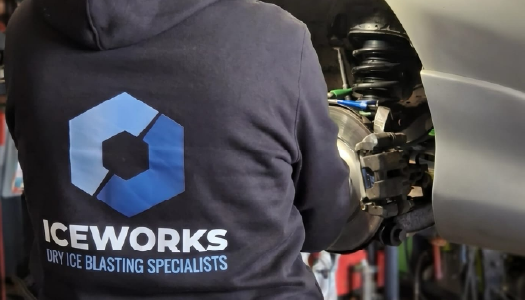
Commercial vehicles and fleet assets can be treated around chassis, engine bays, drivetrains, suspension and other mechanical areas to remove grease, oil, road grime and operational contamination. The process introduces no water or secondary blast media and helps with inspection, maintenance, fault finding and vehicle preparation. Suitable work can be carried out at workshops, yards and depots using our mobile setup.

Suitability: Each project is assessed for suitability before work begins, with the treatment method adapted to the asset, contamination and required outcome.

Typical Applications

Vans & commercial vehicles
HGVs & fleet vehicles
Chassis & underbody components
Engine bays & drivetrains
Axles, suspension & mechanical components
Grease, oil & road contamination

Marine & Aerospace

Marine and Aviation & Aerospace.

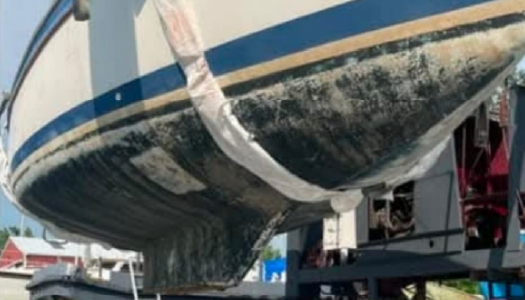
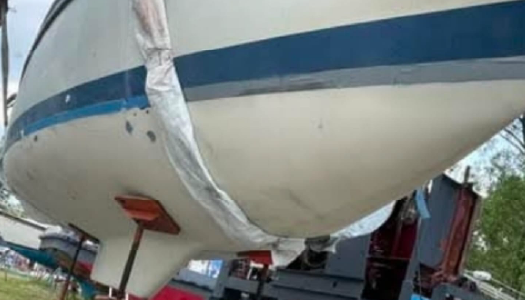
Marine growth, salt, oil, grease and carbon can build up across hulls, machinery and working areas of a vessel. Dry ice blasting can treat suitable hull, superstructure and mechanical surfaces without introducing water or secondary blast media. Where testing confirms suitability, it can also remove algae, barnacles, antifouling and selected coatings ahead of inspection, repair or recoating.

Suitability: Each project is assessed for suitability before work begins, including the substrate, coating or contamination, required finish and vessel-specific requirements. Test areas may be used where coating response or substrate condition is uncertain.

Typical Applications

Hulls & superstructures
Marine growth, algae & barnacle removal
Antifouling & selected coating removal
Marine engines & machinery
Bilges & machinery spaces
Salt, grease & operational contamination

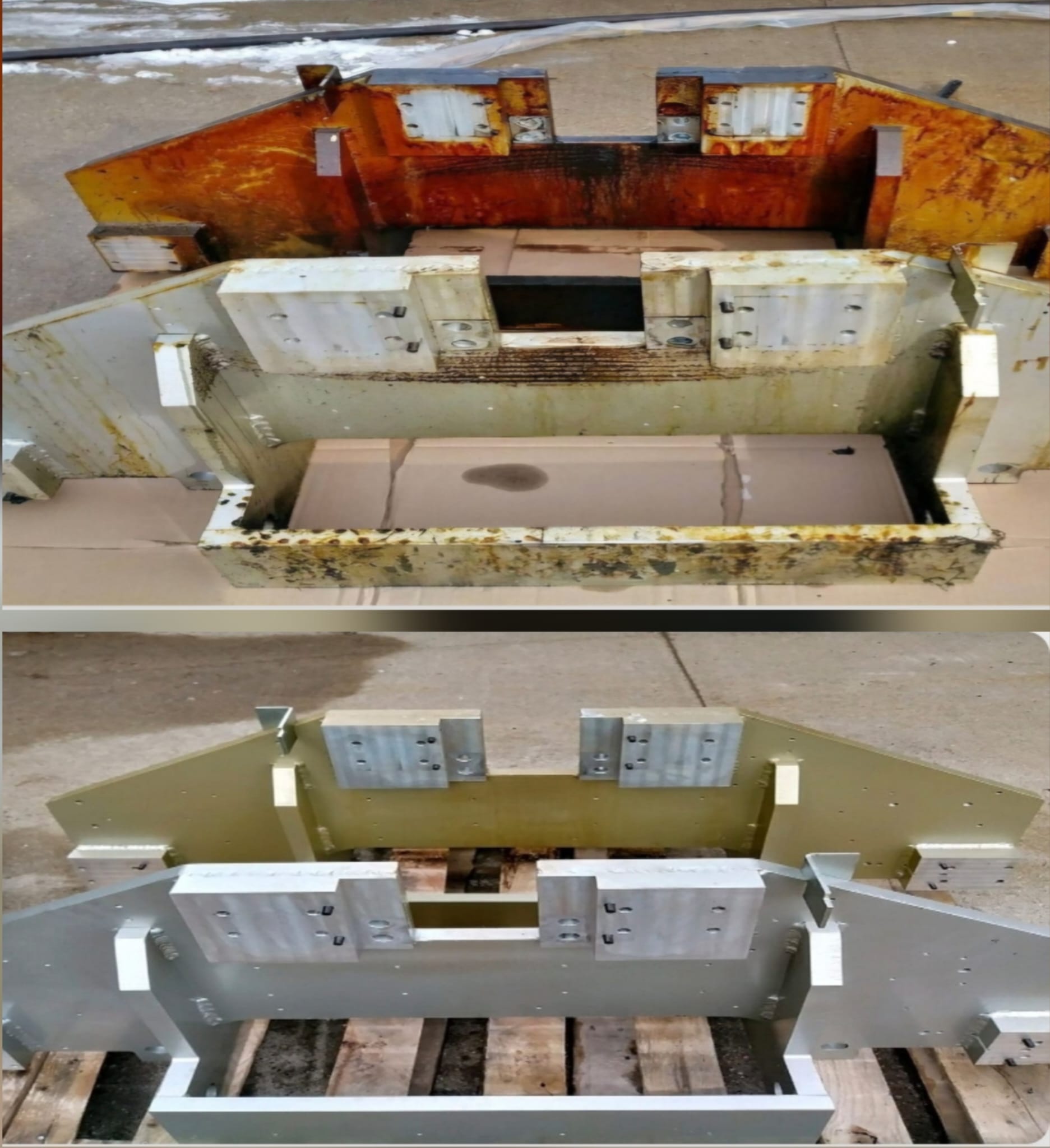
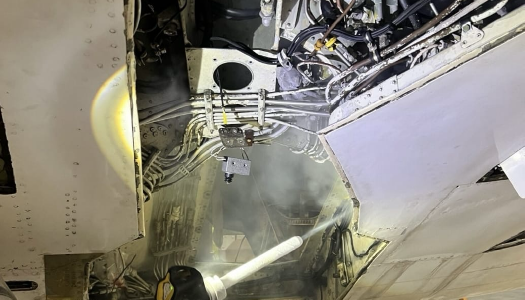
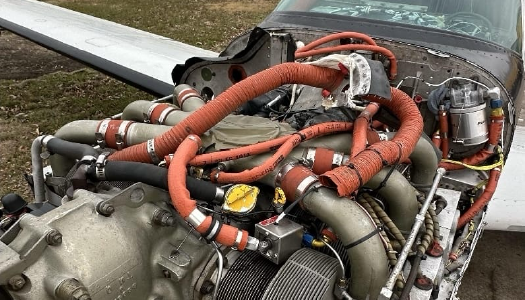
Aviation and aerospace components, tooling and production equipment can collect carbon, grease, oil, adhesives, sealants and process residue in detailed areas. Dry ice blasting is dry and non-abrasive, helping remove suitable contamination without water or secondary blast media and supporting inspection, preparation, maintenance and manufacturing work.

Suitability: Aviation and aerospace applications are assessed individually against the component, substrate, contamination and required outcome, with relevant site, maintenance and engineering requirements confirmed before work begins.

Typical Applications
Aircraft & airframe components
Engines, turbines & associated components
Landing gear & mechanical assemblies
Composite moulds & production tooling
Aerospace manufacturing equipment
Carbon, resin, adhesive & process residue

Buildings & Restoration

Buildings & Facilities, Masonry, Brick & Coatings and Timber & Heritage.

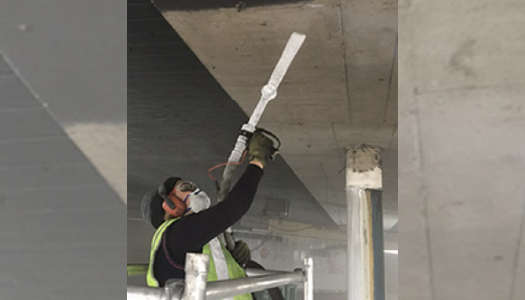
Plant rooms, building services, ductwork and structural areas can collect grease, oil, carbon, dust and operational build-up over time. Dry ice blasting can treat suitable building areas and difficult-access infrastructure without introducing water or secondary blast media, supporting maintenance, inspection and preparation.

Suitability: Each project is assessed for suitability before work begins.

Typical Applications
Plant rooms & building services
Ductwork & ventilation components
Structural steel & frameworks
Service areas & equipment spaces
Walls, floors & structural surfaces
Grease, carbon & operational contamination

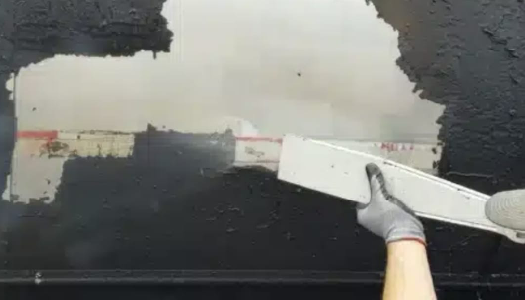
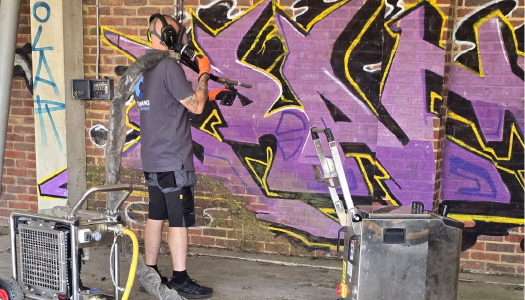
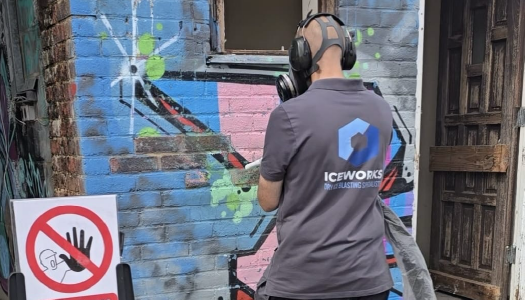
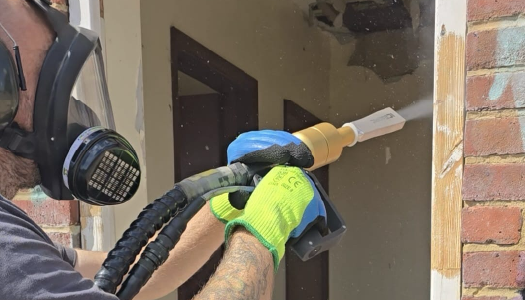
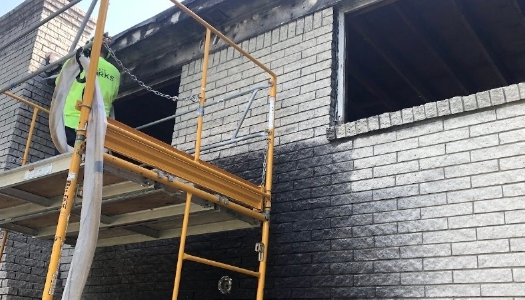
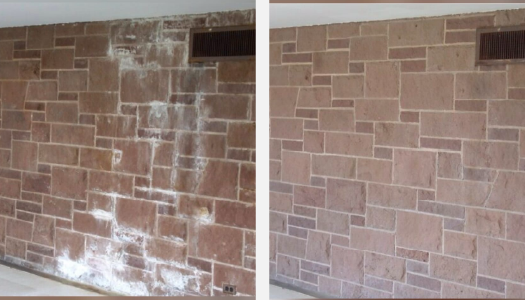
Paint, selected coatings, graffiti and surface contamination can be removed from suitable brick, masonry and concrete without adding water or abrasive blast media. Pressure, ice feed and nozzle choice are adjusted to the surface and required result, making the process useful where original finish or detail needs to be retained.

Suitability: Each project is assessed for suitability before work begins. Test areas may be used where the surface or coating response is uncertain.
Typical Applications

Brickwork & masonry
Concrete surfaces
Paint & selected coating removal
Graffiti removal
Façades & architectural features
Restoration & surface preparation

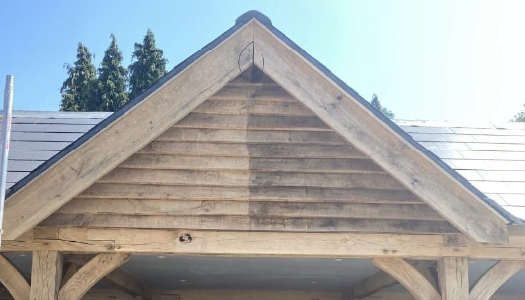
Timber, beams and heritage features can be treated to remove surface contamination, weathered build-up, paint and selected coatings without introducing water or abrasive blast media. Pressure, ice fragmentation and nozzle choice are adjusted to the surface and required result, helping preserve original detail where suitable.

Suitability: Each project is assessed for suitability before work begins. Representative testing is used where the surface condition, staining or coating response is uncertain.
Typical Applications

Exposed timber beams & oak frames
Historic timberwork & structures
Architectural features & detailing
Decorative metalwork & period features
Monuments, features & heritage assets
Paint, coatings & surface preparation

Fire & Damage Remediation

Fire & Smoke Damage and Structural & Asset Recovery.

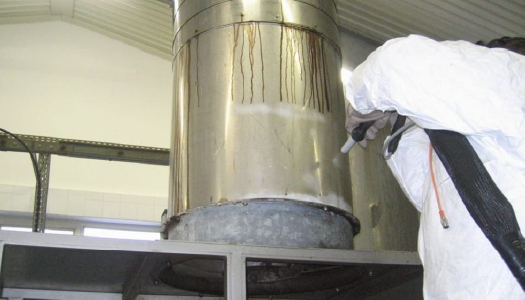
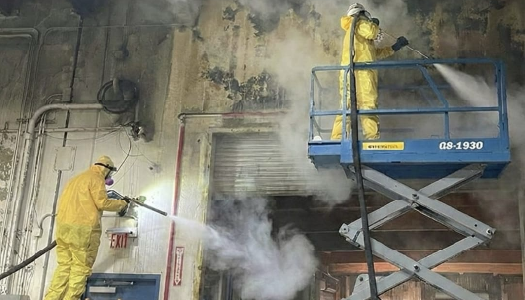
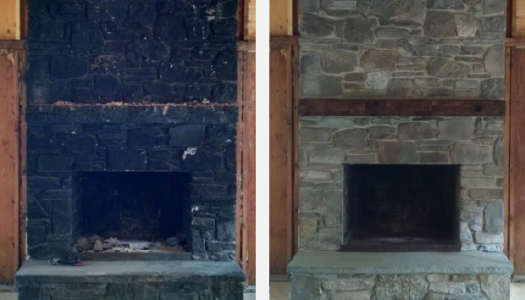
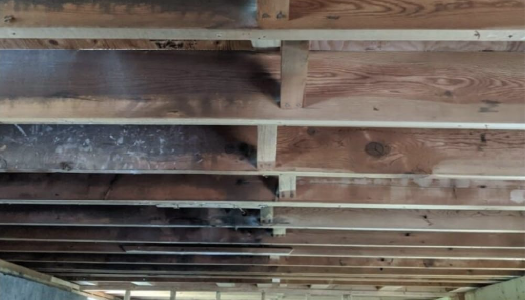
Soot, char and smoke residue can be removed from suitable timber, brick, masonry, steel and other structural surfaces without adding water to an already damaged area. Dry ice blasting can reach grain, joints and awkward spaces, helping expose the surface for inspection and the next stage of remediation. Heat damage or odour held deep within porous materials may still need additional specialist treatment.

Suitability: Fire-damage projects are assessed individually according to the surface, type and extent of contamination and required outcome.

Typical Applications

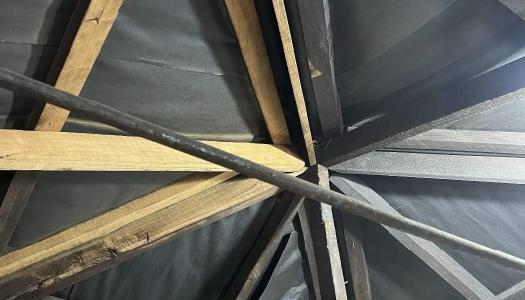
Structural timber & roof structures
Brick, masonry & concrete
Steelwork & structural components
Ceilings, joists & exposed structure
Soot, char & fire-related deposits
Preparation for further remediation

After fire or other contamination, dry ice blasting can help recover suitable structures, machinery and affected assets by removing surface residue from timber, masonry, metal and equipment. This exposes the condition underneath for inspection and can prepare surfaces for repair, sealing, refinishing or reinstatement. It remains one stage within a wider remediation process where other specialist work may still be needed.

Suitability: Each project is assessed according to the affected asset, surface, contamination and required recovery or reinstatement outcome.

Typical Applications

Structural timber & masonry
Steelwork & metal components
Machinery & equipment
Building services & affected assets
Surface preparation for repair or sealing
Pre-reinstatement treatment
>

Specialist Automotive

Classic & Historic, Performance & Prestige and Specialist Motorcycles.

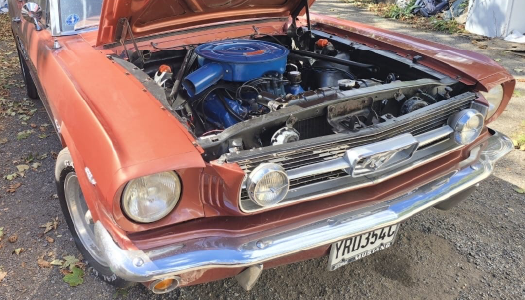
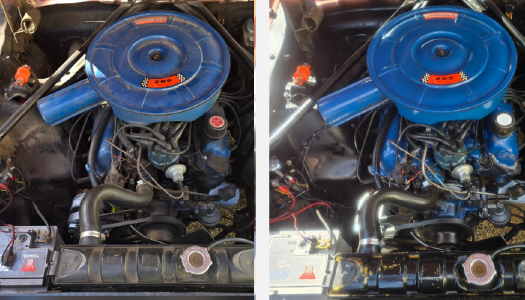
Classic and historic vehicles often hide years of road grime, grease, oil and old underseal around the underbody, chassis and mechanical areas. Dry ice blasting can remove suitable contamination and selected coatings without water or abrasive blast media, revealing the condition underneath so owners and restorers can decide what needs repair, preservation or protection next.

Suitability: Each vehicle is assessed according to its condition, materials, existing coatings and required outcome before treatment begins.
Typical Applications

Underbody & chassis
Engine bays & drivetrains
Suspension & subframes
Mechanical components & castings
Selected underseal & coating removal
Inspection & restoration preparation

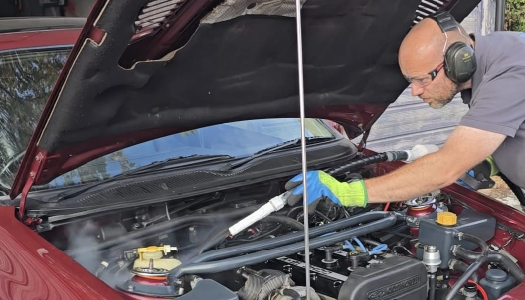
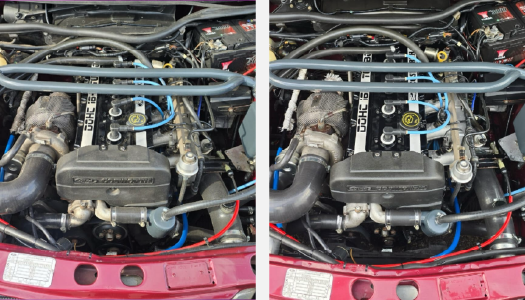
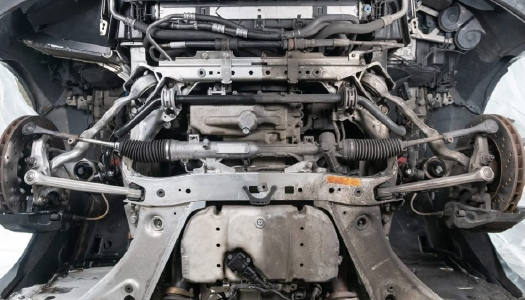
Performance and prestige vehicles benefit from a process that can reach detailed areas without soaking the vehicle or adding secondary blast media. Engine bays, underbodies, wheel arches, suspension and drivetrains can be treated to remove built-up grime and contamination, improve inspection access and prepare the vehicle for preservation or further work where required.

Suitability: Each vehicle and treatment area is assessed individually according to the materials, contamination and required finish.

See the dry ice blasting process in action:

Watch the process

Typical Applications

Engine bays & drivetrains
Underbody & chassis areas
Wheel arches & suspension
Undertrays & diffusers
Detailed mechanical assemblies
Inspection, preparation & preservation

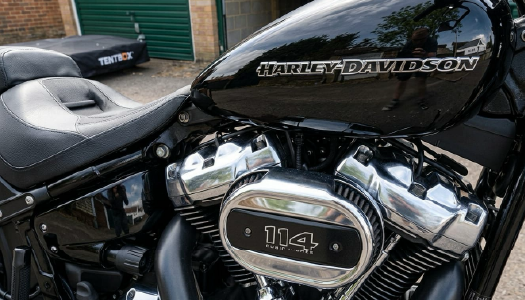
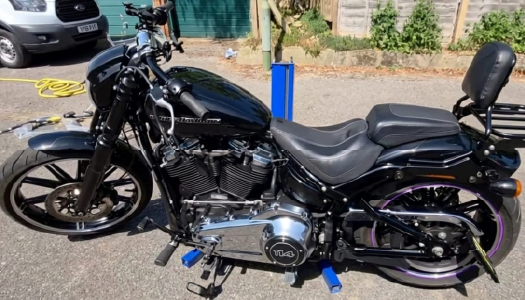
Motorcycles have exposed engines, frames and mechanical parts where grease, oil, road grime and chain residue collect around fins, joints and tight spaces. Dry ice blasting can reach these areas without adding water or secondary blast media. Each bike is assessed first so the treatment can be matched to its materials, finishes and required result.

Suitability: Each motorcycle is assessed according to its materials, finishes, contamination and required outcome before treatment begins.
See the dry ice blasting process in action:

Watch the process

Typical Applications

Engines & cooling fins
Frames & subframes
Swingarms & suspension
Drivetrains & sprocket areas
Wheels & suitable mechanical components
Grease, oil, road & chain residue

Request a Quote or Schedule a Site Visit

Suitable for both industrial projects and specialist restoration work.
Chat with us